Indoor Air Quality — What You Actually Need to Know
Simple ways to improve air quality without spending hundreds on equipment. Ventilation basics that actually work.
Why Indoor Air Matters More Than You Think
You spend roughly 90% of your time indoors. That's a lot of hours breathing air that's often more polluted than what's outside your door. We're not talking about dramatic health emergencies — it's the subtle stuff. Stale air, dust buildup, humidity that's either too high or too low. These things wear on you over time.
The good news? You don't need fancy equipment or expensive systems to fix it. We've looked at what actually works, what's a waste of money, and the simple habits that make the biggest difference. Whether you're dealing with a stuffy bedroom or a living room that never feels quite right, there's something here that'll help.

What Makes Air "Bad" Anyway?
Air quality isn't just about pollution. It's a combination of things. Humidity matters — too dry and your skin gets irritated, too damp and you're encouraging mold. CO₂ levels build up when rooms aren't ventilated, which is why you feel foggy after sitting in a closed office for hours. Then there's particulate matter — dust, pollen, pet dander — floating around and settling on surfaces.
Most people don't realize their air quality problem until they notice something's off. A slight headache by afternoon. Allergies acting up indoors when they're fine outside. Dust seems to accumulate faster than it should. These are signals your space needs attention.
Here's what matters: Proper ventilation (fresh air exchange), humidity between 30-50%, and reducing dust sources. That's it. Everything else is secondary.


The Foundation: Ventilation Actually Works
This is where most people get it wrong. They buy an air purifier and think they've solved the problem. But a purifier just cycles the same air around — it doesn't bring in fresh air. What you actually need is ventilation. Opening a window for 10-15 minutes in the morning and evening does more than any device costing £500.
Why? Fresh air exchange removes CO₂ buildup, reduces humidity if it's too high, and dilutes particulate matter. You'll notice the difference immediately. Your head feels clearer. The room smells fresher. Your energy doesn't dip at 3pm.
- Open windows for 15 minutes, twice daily (morning and evening)
- Cross-ventilation works best — open windows on opposite sides
- Even in winter, brief ventilation helps more than you'd think
- Bathroom and kitchen fans should run during and 20 minutes after use
Getting Humidity Right Changes Everything
British homes tend toward dampness. It's the climate. But high humidity invites mold, dust mites, and that musty smell. Too low and you're dealing with dry skin, irritated sinuses, and static electricity everywhere. The sweet spot is 40-50%.
You don't need a fancy dehumidifier to manage this. Ventilation (as mentioned) handles it naturally. Wipe down bathroom mirrors and shower walls after use — don't let moisture linger. Use your kitchen extractor fan. Avoid drying clothes indoors without ventilation. These simple habits keep humidity balanced.
Too High (Above 60%)
Condensation on windows, musty odours, visible mold growth, dust mites thrive. Open windows daily, run extractor fans, wipe moisture.
Too Low (Below 30%)
Dry skin, irritated throat, static electricity, increased airborne dust. Use a humidifier sparingly, or simply boil a kettle regularly (steam helps).


Dust Control Without Obsessing Over It
Dust is inevitable. But you can reduce it without turning your home into a sterile laboratory. The sources: outdoor air (through windows and doors), shedding skin cells, pet fur, fabric fibres. You can't eliminate all of it. You don't need to.
What matters is preventing it from accumulating to problematic levels. Vacuum carpets once a week with a HEPA filter vacuum — this makes a noticeable difference. Damp dust surfaces instead of dry dusting (dry dusting just moves dust around). Wash bedding weekly in hot water. Keep soft furnishings minimal if you're sensitive.
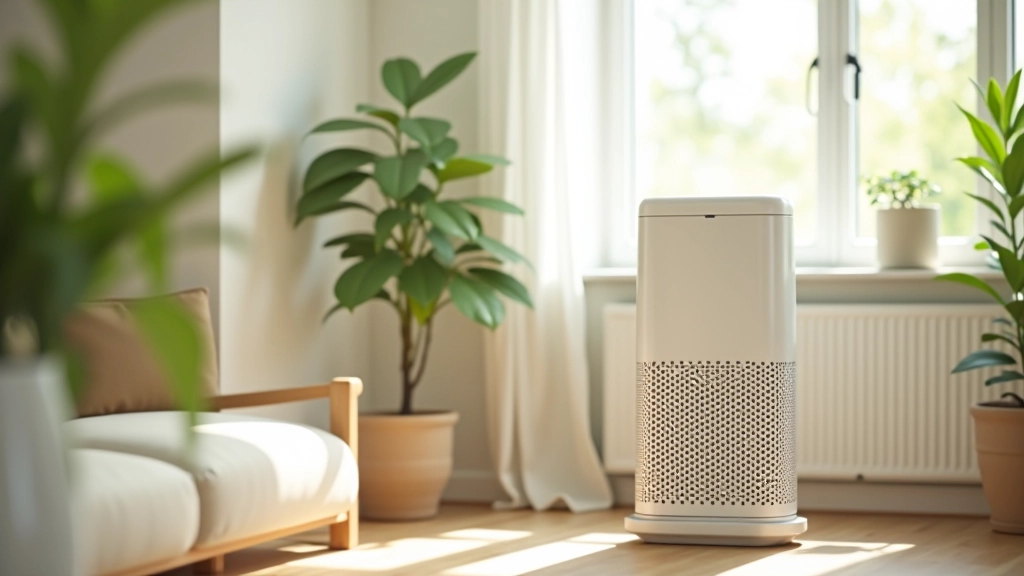
If you're considering an air purifier, HEPA filters are the only type worth having. They actually trap particles. Activated carbon filters sound good but don't address the main problem. A purifier with HEPA runs about £80-150 for decent ones. It's useful if someone has allergies, but it's not a substitute for ventilation and cleaning.
Plants: Nice But Not Magic
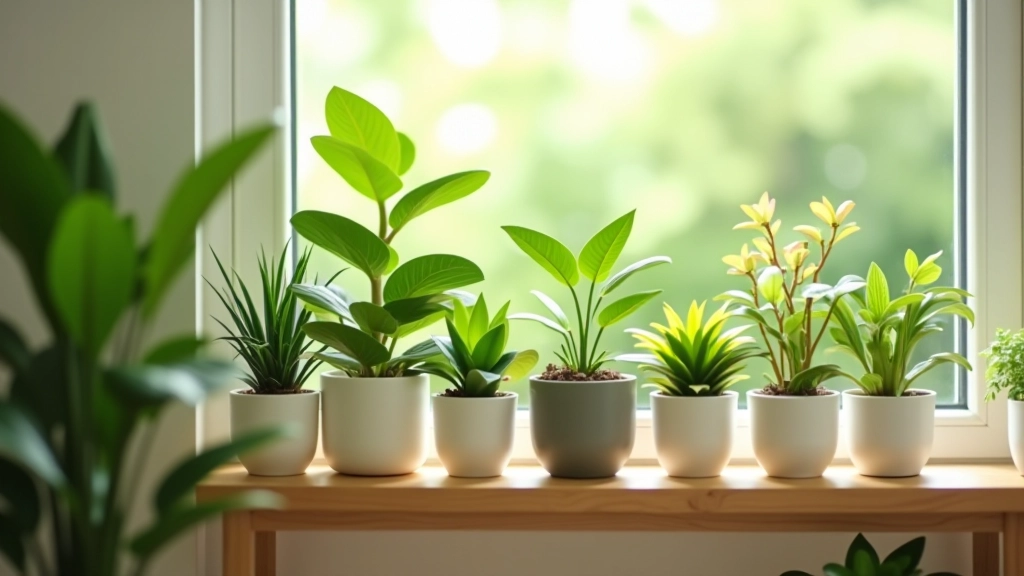
You've probably heard that plants improve air quality. It's true — technically. But the effect is minimal. A single plant doesn't noticeably clean the air in a room. You'd need dozens of plants to match what a single open window does in 15 minutes.
That said, plants aren't a waste. They add oxygen during the day, they absorb CO₂, and they genuinely make spaces feel better. People in rooms with plants report feeling calmer and more focused. Plus, if you're watering plants regularly, you're probably more mindful of your environment overall. So add them — just don't rely on them as your air quality solution.
Your Action Plan
You don't need to do everything at once. Start with ventilation — it's free and immediate. Then monitor humidity. From there, adjust based on what you notice.
This Week
Open windows for 15 minutes each morning and evening. Notice how you feel. Most people feel the difference immediately.
Next Week
Check for moisture issues. Wipe bathroom walls after showers. Make sure kitchen extractor fans are working. Run them during cooking.
Week Three
Vacuum with a HEPA filter. Wash bedding. Dust surfaces with a damp cloth. Observe how dust accumulates — if it's excessive, consider a HEPA purifier.
Good air quality isn't complicated. It's about consistent basics, not expensive equipment. You'll notice the change in how you feel — more energy, better sleep, fewer headaches. That's when you know it's working.
Information Disclaimer
This article provides general information about indoor air quality and ventilation practices. It's not professional medical, engineering, or environmental advice. Individual circumstances vary — your home's layout, climate, existing health conditions, and specific needs will affect what works best for you. If you're experiencing significant air quality issues, persistent allergies, or respiratory concerns, consider consulting with a healthcare provider or a professional air quality specialist. Always follow manufacturer guidelines for any equipment you use.