

Smart Home Technology That Actually Saves Time
Not every gadget is worth it. We'll cover what makes sense for comfort and convenience without the complexity.

Why Most Smart Home Investments Disappoint
Here's the thing — you've probably seen those ads showing someone controlling everything from their phone whilst on holiday. It looks brilliant, but that's not real life. Most people don't need half of what's available. What they do need is systems that actually integrate with their daily routine without requiring a tech degree to operate.
The gap between promise and reality is where most homeowners get frustrated. They'll spend hundreds on smart bulbs that need their own app, a thermostat that requires constant fiddling, and a speaker that doesn't work properly with half their devices. We're not interested in that. Instead, let's focus on what genuinely saves time and improves your living space without the headache.

The Systems That Actually Work
These aren't flashy. They're practical.
01
Smart Heating & Temperature Control
A programmable thermostat that learns your schedule saves roughly 10-15% on heating bills. More importantly, you're not fiddling with it constantly. Set it to warm the house before you wake, cool it down when you're out, and maintain comfort whilst you're home. That's genuine time saved — no daily adjustments.
02
Automated Lighting Based on Daylight
Smart lights that adjust brightness according to natural light and time of day aren't just convenient — they actually improve sleep quality. You're not manually adjusting switches as the sun sets. The system does it. Plus, scheduling lights to turn on when you arrive home (especially important in winter) adds genuine security without extra effort.
03
Whole-Home Audio That Works
One decent wireless speaker system that covers your main living areas beats six different apps and speakers fighting each other. Whether it's radio whilst you're cooking, podcasts in the bedroom, or music during dinner, you're controlling everything from one interface. No switching between apps. No standing around waiting for something to connect.
04
Water Management & Leak Detection
Smart water monitors that alert you to leaks before they become expensive problems. A small sensor under the kitchen sink or in the bathroom catches issues immediately. That's not about convenience — that's about protecting your home. One customer found a slow leak that would've cost £3,000 to repair. The sensor cost £40.
Integration Is Everything
The real time-saver isn't individual gadgets. It's when they work together. A heating system that knows when you're away and adjusts automatically. Lights that turn on when motion is detected in an empty room. A speaker that can control your temperature, lighting, and music from a single voice command. That's where the actual convenience lives.
But here's what matters — don't buy systems from different manufacturers hoping they'll somehow play nicely. They won't. Pick an ecosystem and stick with it. Whether it's Amazon Alexa, Google Home, or Apple HomeKit, commit to one. You'll spend less time troubleshooting and more time actually enjoying the convenience. Most people waste months trying to make incompatible systems work together. Don't be that person.
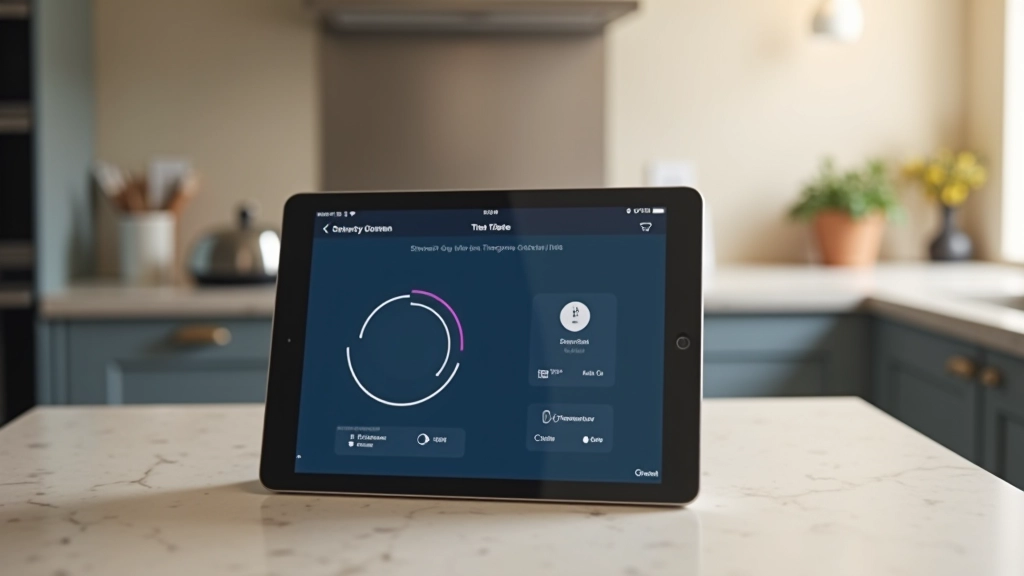
Installation: Don't Overcomplicate It
Simple setups work better than elaborate ones.
01
Start With Your Main Hub
Choose one central device. This becomes your command centre. A good quality speaker with built-in smart home control (usually £100-150) is the starting point. Everything else connects through this.
02
Add One System at a Time
Don't buy everything at once. Get your heating sorted first. Let it work properly for a month. Then add lighting. Then consider other devices. This approach lets you actually understand what you've got before adding more complexity.
03
Test Everything Before Committing
Use trial periods. Check that devices actually integrate with your chosen ecosystem. Return anything that doesn't work properly. A thermostat that needs constant manual adjustments defeats the purpose. Keep testing until you've got reliability.
04
Secure Your Network
Every connected device is a potential security vulnerability. Change default passwords immediately. Use strong Wi-Fi encryption. Keep your hub's software updated. This takes 30 minutes initially and protects your entire system.
The Honest Reality
Smart home tech isn't magic. It won't transform your life or make you feel 20 years younger. What it does do — if you choose carefully — is remove small daily frustrations. You're not manually adjusting thermostats. You're not fumbling for light switches. You're not worrying about leaving doors unlocked or worrying whether you've turned appliances off.
The time savings add up. Five minutes here, two minutes there, a bit of peace of mind, reduced energy bills. Over a year, that's meaningful. But only if you choose systems that work reliably and actually integrate properly. Otherwise, you've just added frustration and cost to your life.
"I spent two years with systems that didn't work together. Switched everything to one ecosystem, and honestly, I wish I'd done it sooner. Everything just works now. That's the real time-saver."
— Michael, 52

Key Takeaways
- Focus on integration, not individual gadgets. One working ecosystem beats five disconnected devices.
- Start simple. A good thermostat, smart lighting, and one speaker cover 80% of practical benefits.
- Add devices gradually. Test each one properly before moving to the next.
- Security matters. Change passwords and keep software updated — it's non-negotiable.
- The real value is reliability and convenience, not flashiness. Choose systems that work consistently.
Ready to Improve Your Living Space?
Explore our related guides on home comfort and ergonomic living. Whether you're upgrading your heating system, improving air quality, or creating a genuinely cosy space, we've got practical advice backed by real experience.
Explore Related TopicsImportant Note
This article is informational and based on general experience with smart home technology. Individual results will vary depending on your home's infrastructure, your specific devices, and your particular needs. Always consult manufacturer specifications before installation. For significant home modifications or electrical work, consult with a qualified electrician. Prices and product availability change frequently, so verify current costs before making purchasing decisions. This content isn't sponsored by any particular brand or manufacturer.
Related Articles