
Choosing the Right Chair for Your Back
What lumbar support actually means and why it matters if you're spending hours sitting at home.
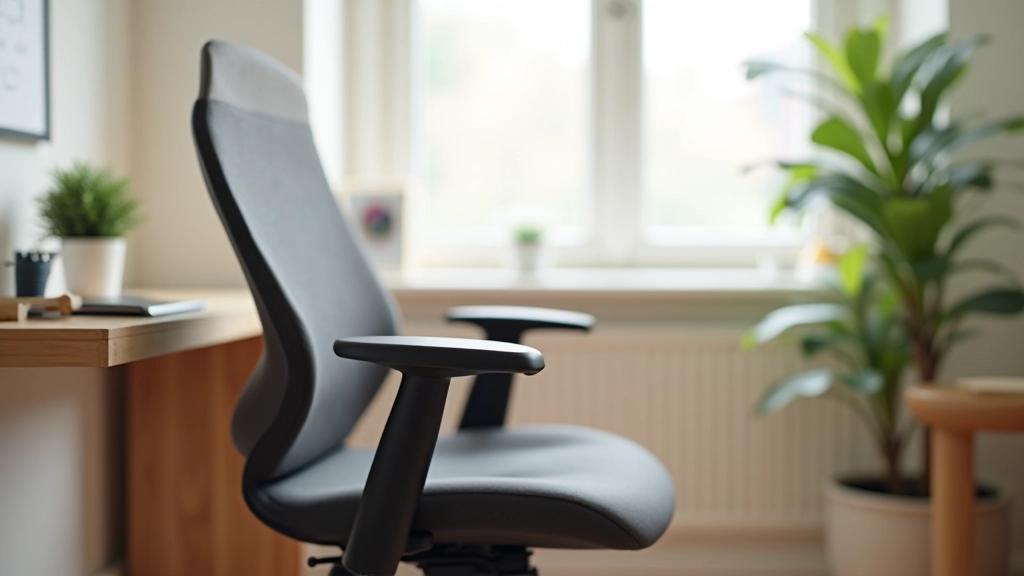
Why Your Chair Matters More Than You Think
Most of us don't really think about our chairs. We just sit. But here's the thing — if you're spending six, seven, or eight hours a day in the same seat, that chair is either supporting your back or slowly working against it.
The right chair isn't about luxury or expense. It's about fit. It's about how well the chair actually supports the natural curve of your spine. We're not talking about fancy gaming chairs with neon trim or minimalist stools that look good but feel terrible. We're talking about chairs designed around how your body actually works.
The Real Cost of Bad Seating
Poor chair support doesn't just cause immediate discomfort. Over months and years, it can lead to chronic back pain, tension in your shoulders and neck, and reduced mobility. Many people in their 40s and 50s don't realise how much their daily chair choice has contributed to their current back issues.

What Makes a Chair Actually Good for Your Back
Beyond lumbar support, there are several features that genuinely impact how your back feels at the end of the day.
Seat Height and Depth
Your feet should rest flat on the floor. Your knees should be at roughly 90 degrees. The seat should be deep enough to support your thighs without pressing against the back of your knees. Most chairs don't fit this description right out of the box.
Backrest Angle and Support
The backrest should support your natural spine curve, not force you into an unnatural position. A slight recline (around 100-110 degrees) is often more comfortable than sitting completely upright. Some chairs let you adjust this angle — that's genuinely useful.
Armrests That Actually Help
Bad armrests push your shoulders up or force your arms into awkward positions. Good armrests support your forearms at desk height, reducing strain on your neck and shoulders. They should be adjustable — or at least not get in your way.
Material and Padding
You're sitting on this for hours. Cheap padding compresses after a few months and leaves you sitting on hard plastic. Quality padding holds up. Breathable fabric keeps you comfortable in summer. It's not luxury — it's durability.
Adjustability Range
Every body is different. A chair that works perfectly for someone 5'4" might be completely wrong for someone 6'2". The more you can adjust — seat height, backrest angle, lumbar position, armrest height — the better chance you've got of finding a good fit.
Weight Capacity and Stability
A wobbly chair creates tension because your body's constantly micro-adjusting to stay balanced. A solid, stable base with a reasonable weight capacity means your chair supports you, not the other way around.

How to Actually Test a Chair Before Buying
Online shopping makes it tempting to just order a chair based on reviews and photos. Don't. Spend 15 minutes sitting in a chair before you commit to it. Here's what to pay attention to.
Sit for at least 10 minutes. Not five. Ten. You're not looking for whether the chair feels okay right now — you're looking for whether it still feels okay after a few minutes. Does your back hurt? Does your neck feel strained? Are your legs falling asleep?
Check your feet and knees. Can you rest your feet flat on the floor? Are your knees at a comfortable angle? If you're dangling or cramped, the chair's wrong for your proportions.
Feel the lumbar support. Put your hand behind your lower back while sitting. Can you feel the chair supporting that curve? Or is your lower back just hanging there unsupported?
Move around in it. Lean back. Shift forward. Adjust things if you can. A good chair should feel stable throughout its range of motion, not tippy or loose.
Notice your shoulders and neck. Are your arms resting comfortably? Do you feel tension building in your neck? Poor chair design often shows up here first.
What Changes When You Get It Right
This isn't about perfection. It's about noticing the difference when your body stops working so hard just to stay upright.
First Week
You'll probably notice the difference immediately. Less fidgeting. Your back doesn't ache by mid-afternoon. You can actually focus on work instead of adjusting your position every five minutes.
First Month
The improvement becomes obvious. You're sitting for longer without discomfort. Your shoulders aren't creeping up around your ears. You're probably standing up at the end of the day feeling less stiff.
Ongoing
This is the real benefit. Years of sitting in a good chair means less chronic pain, better posture, and genuinely better quality of life. You're not thinking about your back because it's working the way it's supposed to.
The Investment That Actually Pays Off
A good chair isn't cheap. You might spend £400-800 on something genuinely well-made. That sounds like a lot until you do the maths. If you're sitting in that chair 250 days a year for five years, you're spending about 25 pence per day on your back health. That's a bargain.
The real cost is in the cheap chair you bought three years ago that's now causing you back pain. The one you're tempted to replace because it's uncomfortable. That chair has already cost you way more than a good one would've.
Start by understanding what lumbar support actually means for your body. Test chairs properly. Don't compromise on features that directly affect your back. And remember — the best chair is the one that supports your specific back, not the one with the best reviews or the fanciest brand name.
Information Disclaimer
This article provides general educational information about ergonomic seating and back support. It's not medical advice. If you're experiencing persistent back pain, significant discomfort, or have existing back conditions, consult with a healthcare professional, physiotherapist, or occupational therapist. They can assess your specific situation and recommend appropriate solutions. Individual needs vary widely, and what works well for one person might not be suitable for another. This information is intended to help you understand principles of ergonomic design and make informed choices about seating.