Choosing the Right Chair for Your Back
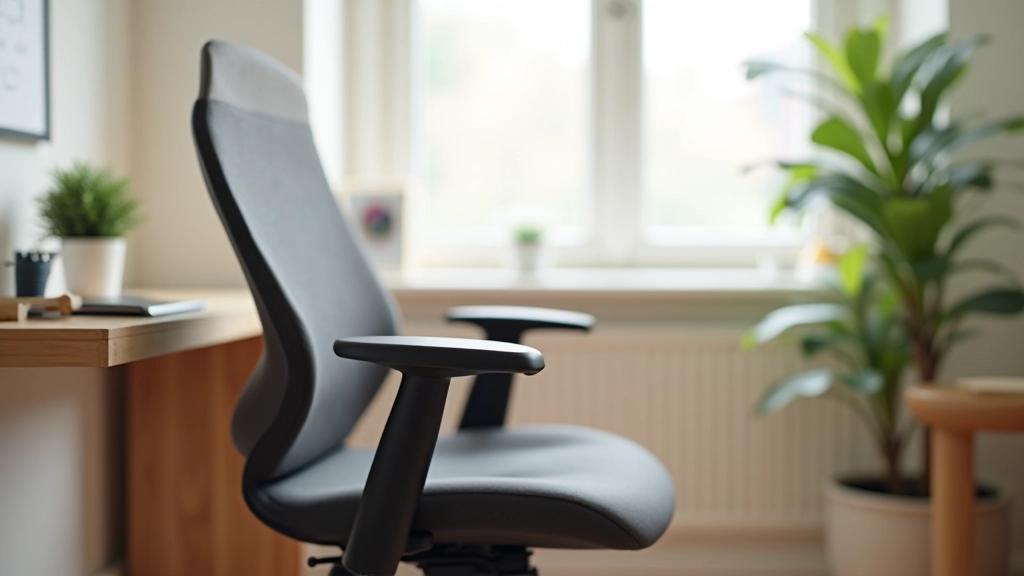
What lumbar support actually means and why it matters if you're spending hours sitting. Real features that make a difference.
Read MoreIt's not about expensive decor. We'll explore the elements that genuinely make spaces feel warm and welcoming.
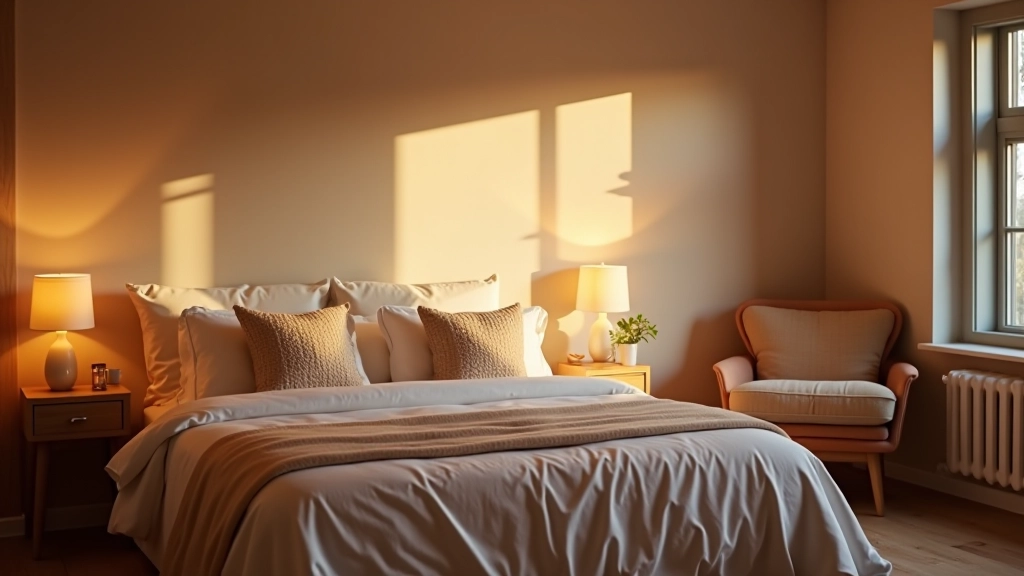
There's something different about walking into a truly comfortable space. It's not the price tag on the furniture or how magazine-perfect everything looks. It's the way your body relaxes the moment you sit down. It's the temperature that feels just right. It's light that doesn't strain your eyes after a long day.
We spend more time in our homes than we ever have before, especially as we move through our 40s and 50s. Your space needs to work with your body, not against it. It needs to support your back, breathe properly, and respond to your actual needs — not an Instagram aesthetic.
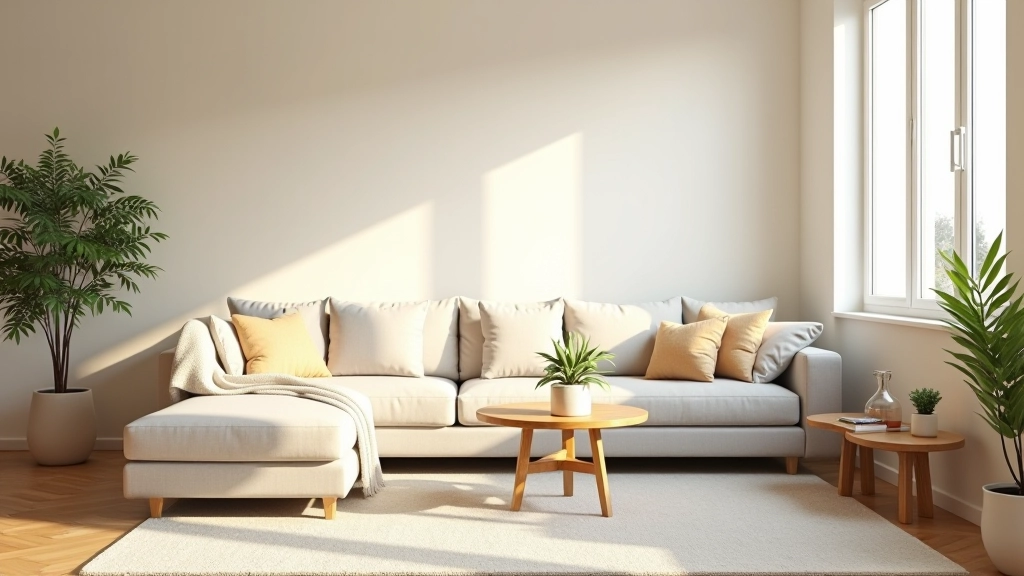
Good furniture doesn't have to be expensive. But it does need to support you properly. When you're choosing a chair or a sofa, you're not just picking a colour — you're making a decision about how your back will feel at the end of the day.
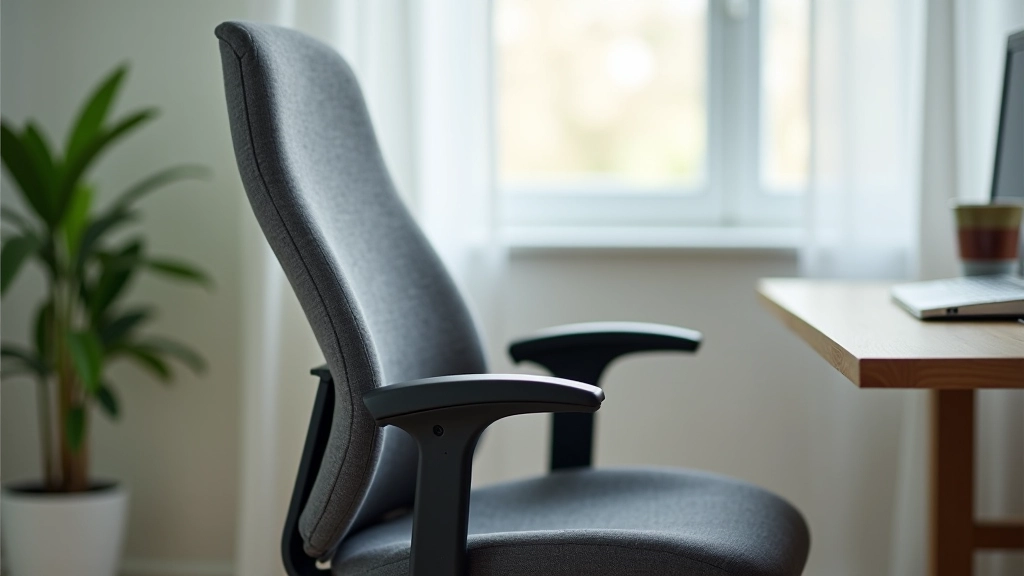
Lumbar support matters. We're not talking about those ridiculous neck pillows. We mean the natural curve in your lower back — the part that takes pressure when you're sitting. A proper chair keeps that curve supported, so you're not hunching forward or straining by 6 PM.
Don't just sit in a showroom for 30 seconds. Sit for 5 minutes. Does your back feel supported? Are you naturally slouching? That's your answer.
Bad lighting doesn't just make a room look dull — it makes your eyes work harder and your brain feel more tired. You don't need fancy smart bulbs. You need control and warmth.
Dimmer switches are genuinely underrated. The ability to adjust brightness throughout the day is something most people don't realise they're missing. Bright light in the morning wakes you up. Softer light in the evening helps your body wind down. This isn't luxury — it's how our brains actually work.
Colour temperature matters too. Warm light (2700K) feels cosy. Cool light (5000K+) feels clinical. You want warm light in living spaces, especially in the evening. Save the cool light for task areas where you need to see clearly — the kitchen, the desk.
Position matters as much as the bulb itself. Overhead lights alone create harsh shadows and tire your eyes. Add lamps on side tables. Put light at different heights. Let shadows fall naturally. Your room will feel instantly warmer.
You can feel when air quality is off. A stuffy room makes you feel sluggish. Your eyes get dry. You get headaches. But you don't need a £2,000 air purifier to fix this.
Ventilation is your first tool. Open windows for 10 minutes each morning, even in winter. You'd be surprised how much stale air leaves in that time. If you can't open windows, consider a simple mechanical ventilation system — they're far cheaper than most people think.
Plants actually do help, though not as dramatically as people claim. They're more about adding humidity and visual interest. Pothos, snake plants, and peace lilies are hardy and don't demand much attention.
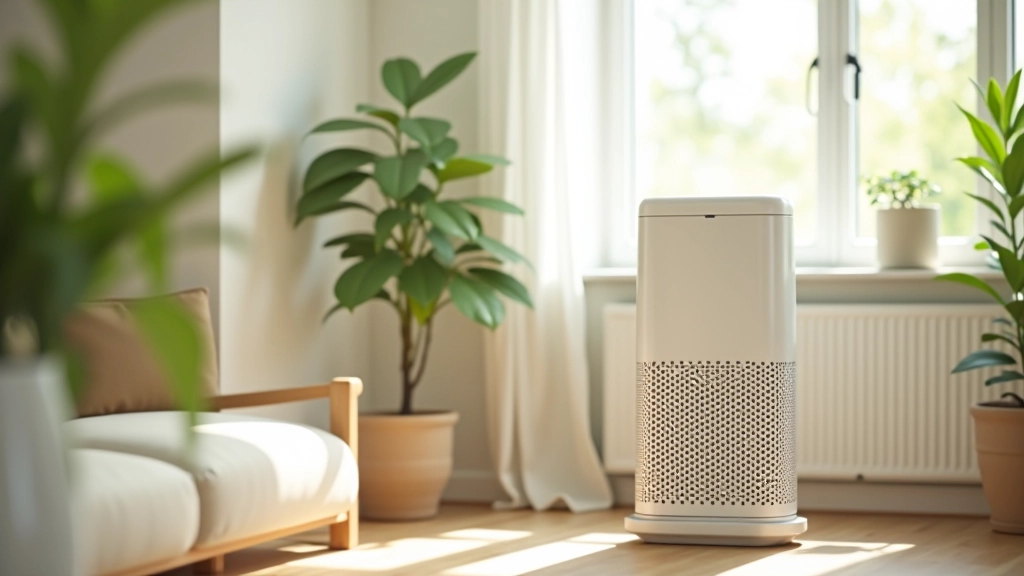
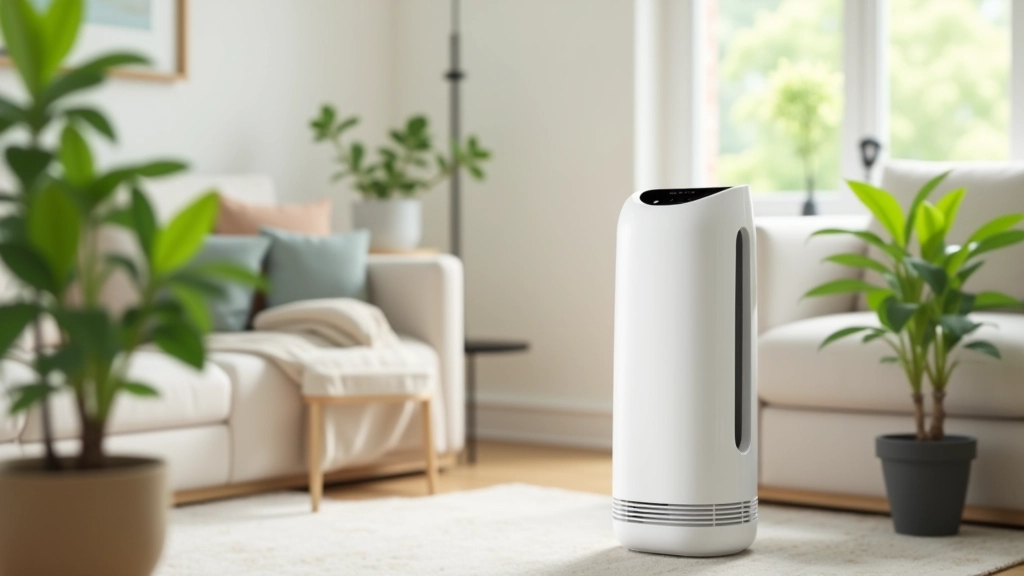
If you want an actual air purifier, focus on HEPA filters and carbon filters. Those genuinely trap particles. Smart features are nice but not essential. Run it in the room where you spend most time — usually the bedroom.

Temperature is deeply personal. What feels perfect to you might feel cold to someone else. The point is you need control — and you need to be able to adjust it easily.
Smart thermostats are worth considering if you're starting from scratch. But don't buy one expecting magic. They work best when combined with good insulation and proper ventilation. A smart thermostat in a draughty house is just a fancy thermometer.
Most people are comfortable around 19-21°C. But comfort also depends on humidity. A dry 20°C feels cold. A humid 20°C feels warmer. In winter, keeping humidity around 40-50% makes heating feel more effective.
Layering is underrated. Throw blankets, proper bedding, and warm clothing mean you don't have to heat the entire house to feel comfortable. This saves money and energy while keeping your space pleasant.
Heavy curtains, rugs, and soft furnishings absorb sound. A quieter home feels calmer. You don't need expensive soundproofing — just strategic soft materials.
Too dry and your skin feels tight. Too humid and the air feels heavy. A basic humidity monitor costs £15. Aim for 40-60% in most rooms.
Neutral tones feel calming. Warm colours feel inviting. Don't follow trends — choose colours that make you feel relaxed when you walk in.
Wood, plants, and natural fibres add warmth without effort. They're not trendy — they're just genuinely calming to be around.
A comfortable space supports your routine. Morning coffee spot. Reading corner. These small rituals matter more than you'd think.
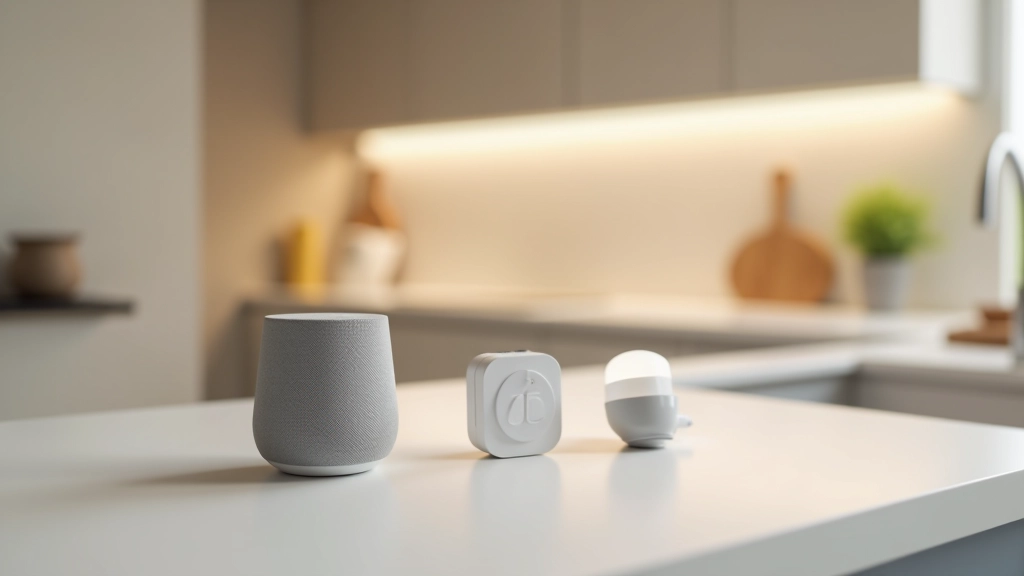
Smart lights and thermostats work best when they disappear into your routine. They shouldn't require attention — just make life easier.
"Comfort isn't a luxury. It's how you support yourself through the hours you spend at home. The best spaces aren't the most expensive ones — they're the ones that work with your body and mind."
You don't need to renovate everything at once. Start with one thing. Maybe it's upgrading your chair because your back deserves better. Maybe it's installing a dimmer switch. Maybe it's opening windows more often.
Each change you make teaches you what you actually value in a space. You'll notice which improvements make you feel better. You'll learn what's worth the investment and what's just noise.
Your home should support the life you're living right now — not some imaginary future version. That's what makes a space feel like home. It's responsive. It's yours. It works for you.
This article is for informational purposes only and provides general guidance on home comfort and living space improvement. It doesn't replace professional advice from interior designers, ergonomic specialists, or health professionals. Individual circumstances vary widely — what works for one person may not work for another. If you have specific health concerns, chronic pain, or mobility issues, consult with a healthcare professional before making significant changes to your environment. Product recommendations are based on general principles, not endorsements. Always test furniture and equipment personally before purchasing.